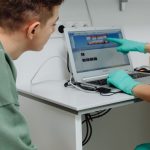


How Regular Health Screenings Help Spot Silent Killers Like Diabetes and Heart Disease Early
Health issues often build quietly in the background, showing no clear signs until they become serious. In Singapore, conditions such as diabetes, high blood pressure, and heart disease are some of the most common chronic illnesses that may develop without noticeable symptoms. That’s where health screening in Singapore plays an important role, by helping to detect these “silent killers” early, before they progress into more complex problems.
This explores why regular check-ups are important, how screenings differ from routine doctor visits, and why making time for preventive care can make a meaningful difference to your overall wellbeing.
Why Do So Many People Skip Regular Health Screenings?
Despite growing awareness of preventive care, many people still tend to delay or avoid booking a health screening. Common reasons include busy work schedules, a fear of bad news, or the assumption that “feeling fine” means being healthy.
There is also the idea that visiting a general practitioner (GP) for minor ailments, such as colds or headaches, is enough to stay on top of one’s health. However, routine GP visits often focus on treating symptoms rather than uncovering hidden risks.
A health screening is designed differently. It uses specific tests, such as blood panels and imaging, to assess key markers like cholesterol levels, blood sugar, liver function, and blood pressure. These parameters may highlight conditions that have not yet caused symptoms.
In Singapore’s fast-paced environment, where many individuals balance long hours at work with sedentary lifestyles, regular screening offers a structured opportunity to pause and gain clearer insight into internal health markers that everyday checkups may not fully cover.
What Are Silent Killers? Why Are They Dangerous?
The term “silent killers” refers to health conditions that often show little or no symptoms until they have progressed significantly. Diabetes, high cholesterol, hypertension, and certain cancers fall into this category.
For instance:
- Type 2 diabetes may quietly damage blood vessels, nerves, and organs for years before symptoms appear.
- High blood pressure can remain unnoticed until it contributes to stroke or heart complications.
- Heart disease may not show clear signs until a person experiences chest discomfort or breathlessness, often at a later stage.
These conditions are particularly relevant in Singapore, where rates of diabetes and cardiovascular disease are high. Regular health screening in Singapore provides an opportunity to detect subtle warning signs early. When markers such as raised blood sugar or cholesterol are identified in time, lifestyle adjustments or medical guidance may help reduce the risk of further progression.
How Do Regular Screenings Differ From Normal GP Visits?
A common misconception is that routine visits to a GP replace the need for periodic health screening. While both play important roles, they support different aspects of care.
A GP consultation generally focuses on addressing specific symptoms or illnesses, while health screening tends to be a more proactive process that examines potential risks before they become symptomatic.
At AsiaMedic, screenings include:
- Basic checks: Blood pressure, body mass index (BMI), and glucose levels.
- Blood tests: Assessing cholesterol, liver enzymes, kidney function, and blood sugar.
- Imaging tests: Such as ultrasound scans or X-rays, where indicated, to detect structural or internal abnormalities.
This comprehensive overview may reveal patterns or risk factors that would otherwise go unnoticed during a regular consultation. The insights from these tests may also guide your GP or specialist in providing targeted advice for lifestyle management.
Why Is Health Screening Important In Singapore?
Singapore’s ageing population and lifestyle trends make preventive healthcare increasingly important. High-stress work environments, dietary habits, and limited physical activity all contribute to chronic diseases that may develop quietly over time.
Scheduling a health screening package is one way to stay informed about how your body is functioning internally. Early detection may not only identify potential health risks but also allow for timely monitoring and management.
If someone realises that they have raised cholesterol during screening, he or she may be able to take steps, such as dietary changes or regular exercise, to address it early.
Additionally, companies in Singapore often include health screening as part of corporate wellness programmes, helping employees maintain awareness of their health status.
When Should You Book A Health Screening In Singapore?
The frequency of screening depends on age, family history, and individual risk factors. In general:
- Adults under 30 may consider screening every two to three years.
- From 30 onwards, annual screenings are generally recommended, especially for those with family histories of diabetes, heart disease, or hypertension.
- Individuals with existing conditions may need more frequent monitoring as advised by a healthcare professional.
A dedicated centre like AsiaMedic allows you to choose from various health screening packages based on your specific needs, from basic profiles to more detailed assessments..
What Happens After A Health Screening?
After completing a health screening, results are typically reviewed with a doctor. This consultation helps interpret findings, such as elevated cholesterol or irregular glucose levels, and may include guidance on next steps.
Follow up recommendations may involve lifestyle adjustments, further testing, or referral to a specialist if required. The key takeaway is that screening provides data, and understanding that data allows individuals to make informed decisions about their health management.
Regular follow ups also help track progress over time, ensuring that any new trends or irregularities are identified early.
How To Make Health Screening A Routine Habit
Building the habit of regular health checks does not have to be complicated. Here are a few tips that may help you:
- Schedule in advance — Treat it like an annual commitment, similar to renewing insurance or vehicle checks.
- Choose the right package — Select a health screening package that aligns with your age and health profile.
- Keep track of results — Maintain a record of past screenings to compare changes and progress.
- Follow up as advised — Use screening results as a guide to discuss preventive steps with your GP.
By making time for regular health screening, you can gain a clearer picture of your internal health and address risks early. Silent conditions like diabetes and heart disease may not show outward signs, but with proactive screening, you don’t have to remain undetected.
Learn more about available packages or schedule your next screening through AsiaMedic Health Screening Packages
Frequently Asked Questions
How Does Health Screening Help Detect Health Risks Early?
Health screening is designed to uncover early signs of conditions that may not cause noticeable symptoms. Through targeted tests, it helps identify risk factors early, allowing for timely monitoring, lifestyle adjustments, or further medical evaluation.
What Should I Expect During A Health Screening At AsiaMedic Singapore?
A typical screening session involves basic measurements, blood tests, and, depending on your selected health screening package, imaging scans or cardiac assessments. The process may take up to a few hours, and the results are reviewed with a doctor afterwards for further interpretation.
How Often Should I Go For Health Screening In Singapore?
It depends on your age, gender, and health history. Generally, an annual health screening in Singapore is advisable for adults over 30 or anyone with a family history of chronic conditions. Your doctor may recommend different intervals based on your individual needs.